Culinary Side Quests Beside the World’s Must‑See Landmarks

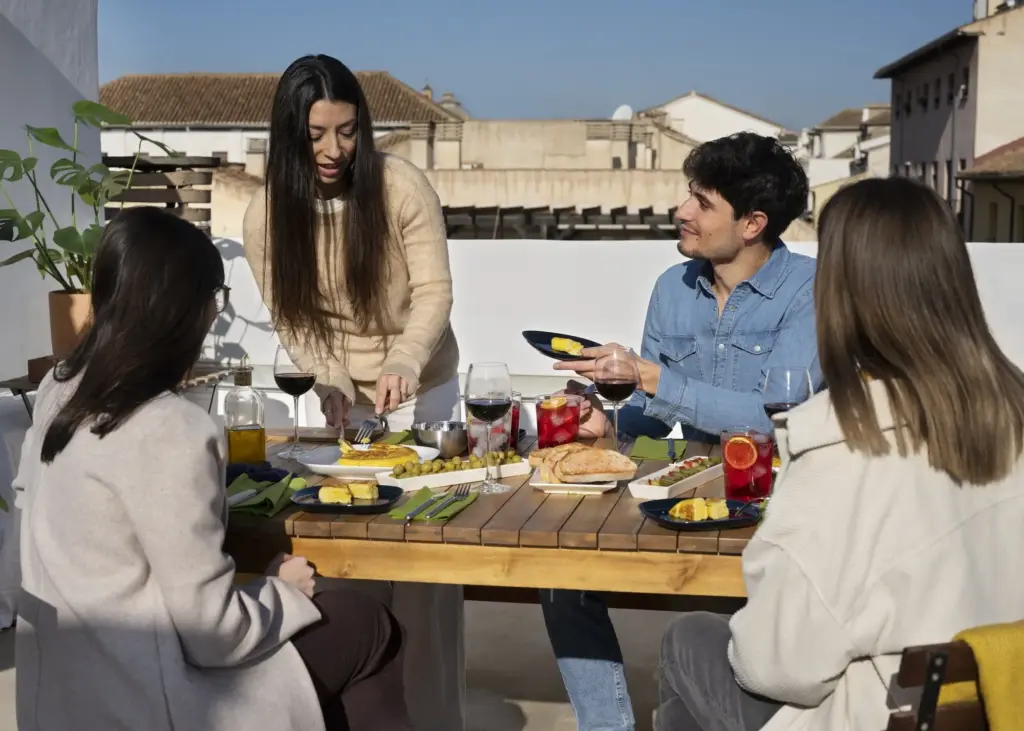
Finding Authentic Bites Steps From Iconic Landmarks
Take the First Turn Off the Main Avenue
Move one block beyond the postcard vendors and prices quietly normalize while flavors intensify. Peer into doorways for stacked produce crates, hear clatter from real lunch rushes, and skip laminated, multilingual menus. When a place cooks for neighbors first, proximity to a monument becomes a bonus backdrop rather than the only attraction.
Decipher Menus and Daily Boards Like a Regular
Short menus often mean skill and freshness, especially when chalk dust reveals recent sellouts. Look for regional names, seasonal ingredients, and hand-written corrections. Ask what the cook recommends today, not what tourists usually order. If a special runs out early, that scarcity often signals devotion, turnover, and proud, practiced hands behind the stove.
Follow the Line That Looks Like Lunchtime, Not Postcards
Seek business attire, school backpacks, and reused containers from nearby offices, not souvenir bags and selfie sticks. Listen for local chatter and swift, confident orders. When plates emerge rapidly, steam visibly, and vanish into satisfied silence, you’ve found a line worth joining—and a memory that lingers longer than any panorama.
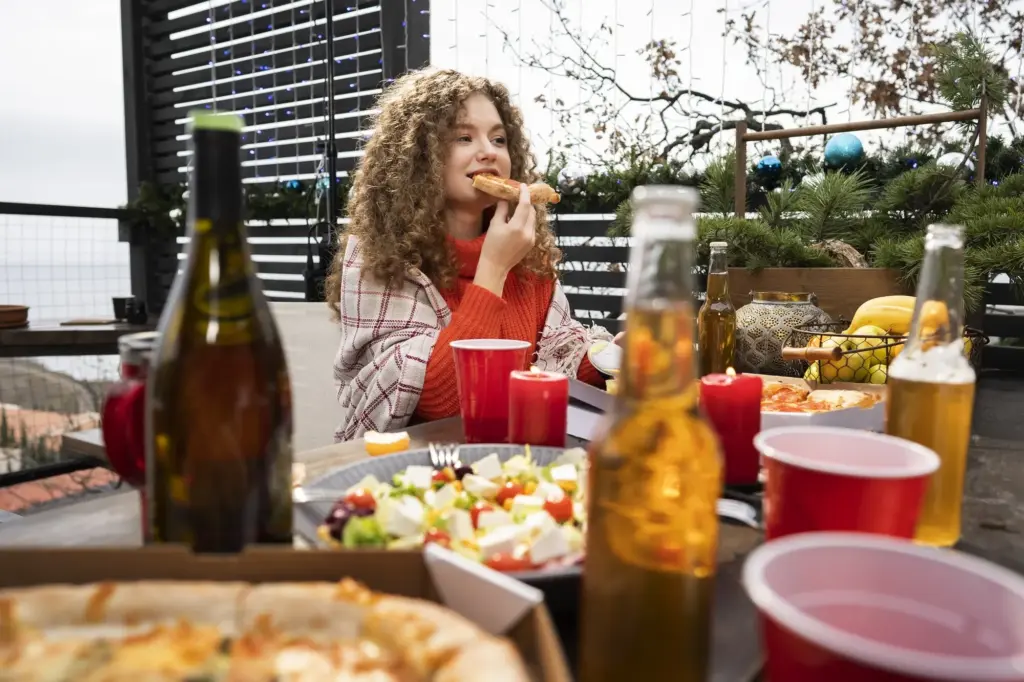
Micro‑Itineraries Pairing Sights With Signature Dishes
Ordering Confidently Without a Shared Language
Paying, Tipping, and Small Courtesies
Photos, Privacy, and Permission at the Stall
Timing Your Tastes: Freshness, Queues, and Golden Hours
Dawn Markets and Breakfast Staples
Museum Midday Windows and Siesta Realities
After‑Dusk Illuminations and Late‑Night Grills
Safeguards for Health, Budget, and the Planet
Check Cleanliness and Turnover at a Glance
Allergies, Heat Levels, and Ingredient Clues
Carry Reusables and Support Small Producers
Share, Save, and Keep the Quest Alive
Tell Us Your Landmark‑Adjacent Discovery
Drop a comment describing the sight, the dish, and a practical hint—cross street, landmark entrance, or best time. Include a short story about the cook or a conversation you cherished. These details help others taste not just food, but context, care, and the personality of the place.
Vote on the Next Flavor Trail We Should Map
Cast your vote for which city, festival, or heritage site needs a focused tasting route. Suggest specific snacks, markets, or vendors we should meet. Your input steers future explorations, ensuring our detours remain diverse, respectful, and rooted in the everyday plates that locals crave and trust.

All Rights Reserved.